What We Do

Services

A full rundown of the concrete work we take on, from new pours to fixing what someone else got wrong.

HomeServices

Everything we take on

Every job below is one we do ourselves across Lindsay.

Concrete Driveways

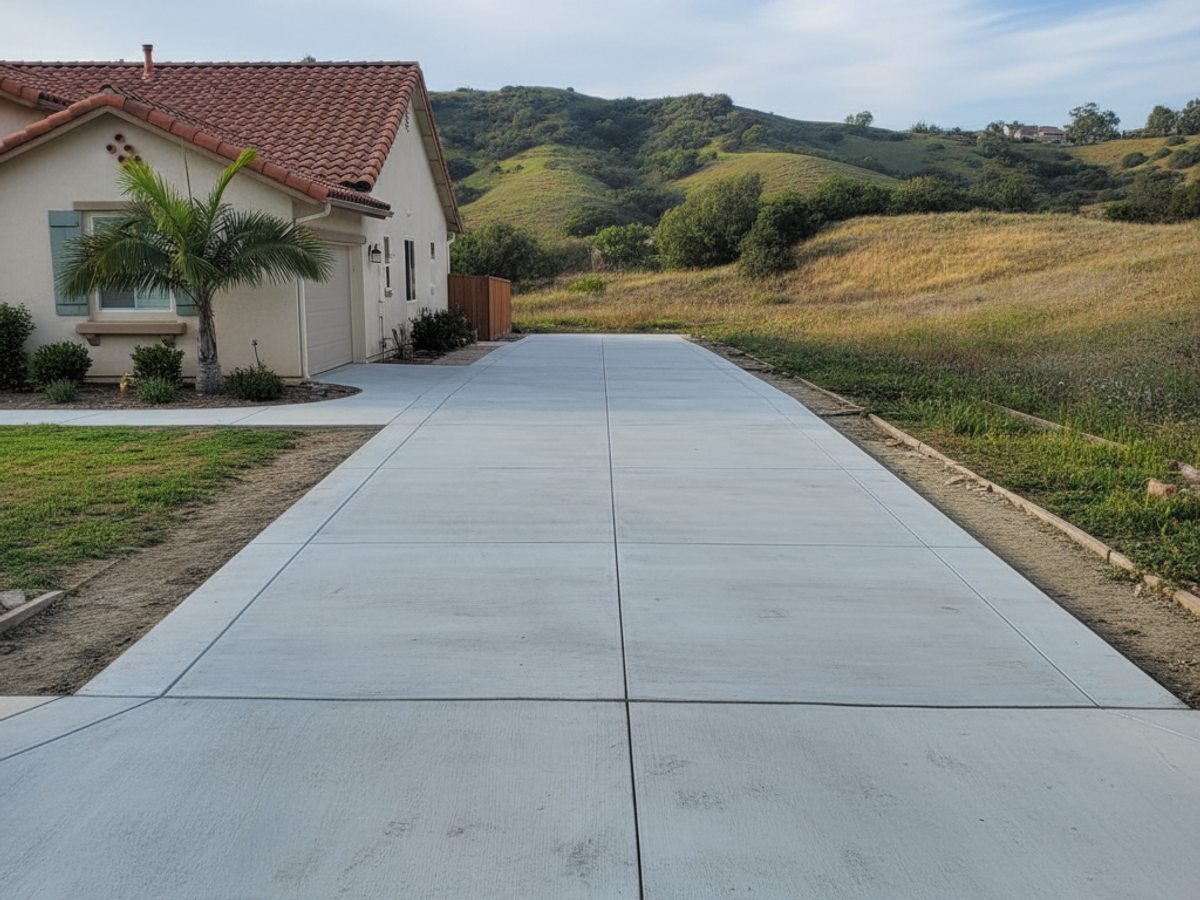
We form and pour driveways thick enough to carry a truck without flexing, usually 4 to 6 inches depending on what's parking on it. Base prep matters more than the finish here, so we compact and grade before any concrete shows up. Expect to stay off it for a couple days and off the far end for a week before heavy vehicles.

Concrete Patios

Patios get a broom or stamped finish depending on what you want, and we slope them slightly so water runs away from the house instead of pooling by the door. We set control joints to match the pattern so cracking, when it happens, follows a line instead of running across your seating area.

Stamped Concrete

Stamped concrete gets you the look of flagstone, brick, or slate at a fraction of the cost, and we color it while it's still wet so the tint goes all the way through. It takes more hands during the pour since stamping has to happen before the mix sets up, so timing on a hot day matters.

Concrete Repair

Cracked slabs, sunken sections, and spalled surfaces get patched, mudjacked, or cut out and replaced depending on how far gone they are. A hairline crack in a patio is cosmetic, a driveway that's sunk two inches on one side is a drainage problem we need to fix at the base, not just the surface.

Concrete Slabs

A shed pad, a garage floor, a slab for a shop, we pour it flat and level to whatever thickness the load calls for. Rebar goes in for anything heavier than foot traffic, mesh isn't enough once you're parking equipment on it.

Concrete Sidewalks & Walkways

Walkways get scored joints every few feet so they crack on our terms, not a random line across the middle. We match the slope and width to whatever's already there if it's a repair job, or lay it out fresh if it's a new path.

Concrete Foundations

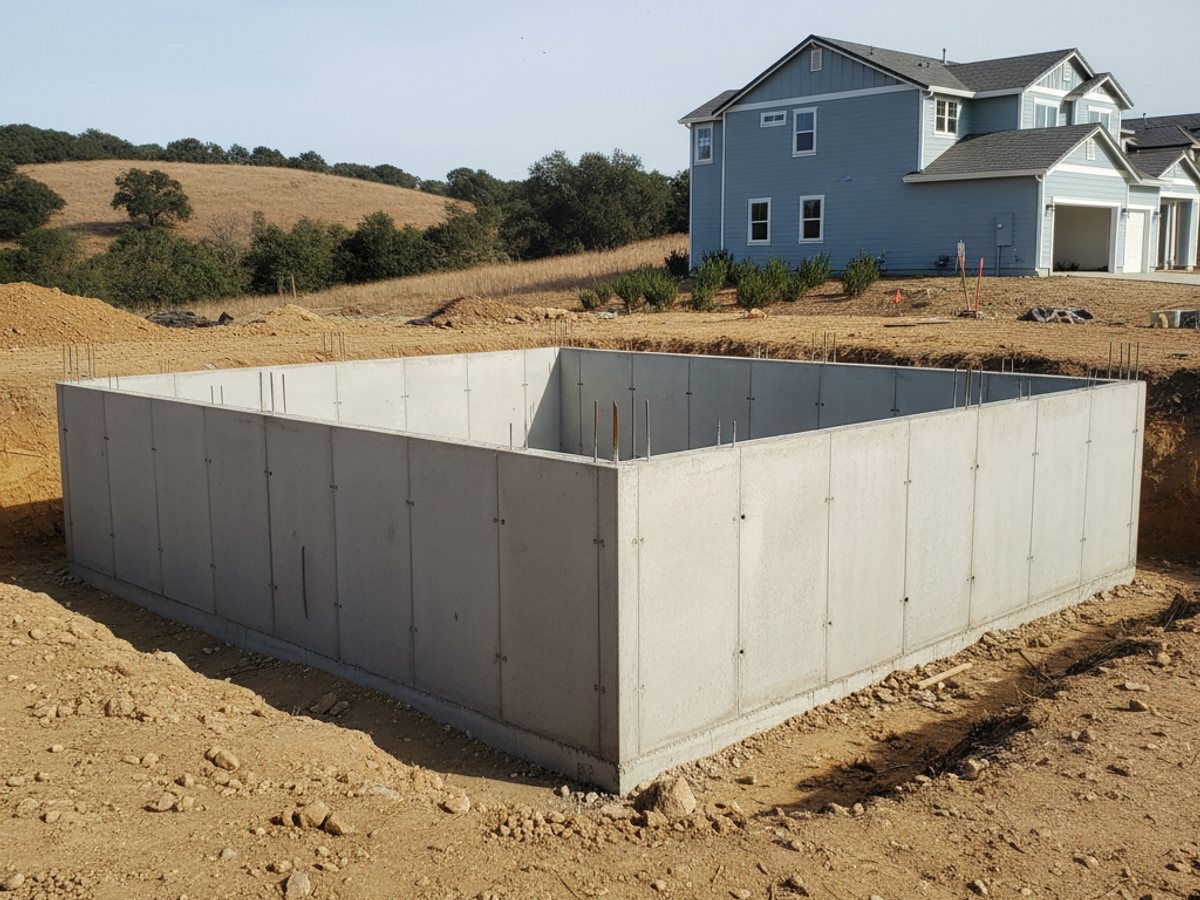
We pour footings and foundation slabs for additions, garages, and small structures, and we work off the engineer's spec when there is one. Getting the rebar placement and concrete depth right here isn't optional, it's what holds up the structure above it.

Exposed Aggregate Concrete

We wash back the surface while the concrete's still curing so the stone underneath shows through, giving you a textured, non-slip finish that holds up better than a plain broom finish around pools and entryways.

Retaining Walls

Clay soil on a slope moves, and a retaining wall keeps it from moving into your yard or your neighbor's. We build in drainage behind the wall, not just concrete in front of the dirt, because a wall that can't drain is a wall that eventually leans.

Concrete Resurfacing

If the slab underneath is still solid but the surface is pitted, scaled, or just ugly, resurfacing gives you a fresh finish without the cost of tearing it out. It won't fix a slab that's cracked all the way through or settling, that needs a real repair, not a topcoat.

How It Works

Four steps, and no surprises in any of them.

01

We come and look

You tell us what you want doing, we look at what is actually there, and we ask the awkward questions early.

02

You get a price

In writing, itemised, free. If something might add cost later we flag it now rather than at the end.

03

We do the work

Same crew throughout. We cover your floors, keep the dust down and tidy up before we leave each day.

04

We walk it with you

You point out anything you are not happy with and we fix it before the invoice, not after.

Where We Work

All of this, across Lindsay, CA

Site visits and estimates are available anywhere within about 50 miles of Lindsay.

Lindsay, CA
Visalia, CA
Tulare, CA
Porterville, CA
Dinuba, CA
Reedley, CA
Exeter, CA
Farmersville, CA
Woodlake, CA
Strathmore, CA
Common Questions

Things worth asking

Questions that usually come up once a project is actually underway.

Do I need a permit for a new driveway or patio?
Many cities and counties require a permit for a new driveway approach, a retaining wall over a certain height, or any structural slab, though a simple patio replacement often doesn't need one. Heritage Concrete pulls the required permits as part of the job so the homeowner doesn't have to deal with the county directly.
How long does a typical concrete driveway take to pour and cure?
Forming, base prep, and pouring a standard driveway usually takes two to three days, with the concrete safe to walk on after about two days and safe for vehicles after five to seven days depending on temperature. Full cure strength takes closer to 28 days, though driving on it sooner won't cause damage once it's set.
Can concrete work be done on a tight budget?
Plain broom-finished concrete costs less than stamped or exposed aggregate and is the most common way to bring a project in under budget without cutting corners on the base work. Reducing square footage or phasing a project, like doing the driveway now and a patio later, is another option worth discussing during the quote.
Do you guarantee your concrete work?
Concrete work should be free of workmanship defects like improper joint placement or poor finishing, and reputable concrete contractors stand behind that for a period after completion. Cracking from normal shrinkage within the joints is expected and isn't a defect, since concrete is designed to crack there.
Who will I be dealing with during the project?
On most residential concrete jobs, the crew lead on site is the point of contact for questions during the work, with the estimator or owner handling scheduling and the written quote. Direct phone communication is typical rather than going through an office.
What kind of concrete mix and materials do you use?
Standard residential concrete work uses a 3,000 to 4,000 PSI mix depending on the application, with a higher strength mix used for driveways that need to handle vehicle loads. Rebar is used instead of wire mesh on anything load-bearing, since mesh alone doesn't hold a slab together once it cracks.
Can I still use my driveway or yard while the work is being done?
Access to a driveway or yard is blocked from the day forms go in until the concrete cures enough to walk or drive on, typically several days for a driveway. Parking on the street or an alternate access point usually needs to be arranged ahead of the pour.
What do I need to do to prepare the site before the crew arrives?
Clearing the area of vehicles, furniture, plants, and sprinkler heads in the pour zone ahead of time speeds up the job and avoids delays on pour day. Heritage Concrete handles demolition of old concrete and grading, so the homeowner doesn't need to do any heavy prep.
What happens if you find a problem once the old concrete is removed?
Removing an old slab sometimes uncovers soft or wet soil, tree roots, or an old utility line that wasn't visible before, and that changes the base prep needed before pouring. Any change to the scope or cost gets discussed with the homeowner before work continues, not after the fact.
How do I take care of new concrete after it's poured?
New concrete should be kept off vehicle traffic for about a week while it cures. In Central Valley heat, sealing a driveway or patio every couple years helps resist cracking from sun exposure and keeps stains from soaking into the surface.

Not sure what you need?

Describe the problem and we will tell you what it probably is. No obligation.

Call (559) 491-2968